By Mark Vantress
Your home's foundation is the most critical structural element you own, and in Los Gatos, it deserves extra attention. The Santa Cruz Mountains create beautiful scenery and a coveted hillside lifestyle, but the geology underneath much of this area, including expansive clay soils, seasonal moisture swings, and seismic activity, puts real pressure on residential foundations over time. Whether you own a ranch-style home near Los Gatos Creek or a newer build in the hills above town, staying ahead of foundation maintenance is one of the smartest steps you can take as a homeowner.
Foundation problems rarely happen overnight. They develop slowly, through years of soil shifting, water intrusion, and deferred maintenance, until they become costly repairs that catch homeowners off guard. The good news is that most serious foundation issues are preventable when you understand what causes them and take a few consistent steps throughout the year.
This guide will walk you through everything you need to know about foundation maintenance specific to Los Gatos homes, from seasonal upkeep to warning signs you should never ignore.
Key Takeaways
- Clay-heavy soils common in the Los Gatos area expand and contract with moisture, creating significant pressure on foundations over time.
- Proper drainage management around your home is one of the most effective ways to prevent foundation movement.
- Routine visual inspections can catch early warning signs before they become expensive structural problems.
- Tree and vegetation placement matters; roots from large trees too close to your foundation can cause long-term damage.
- Los Gatos homeowners should factor seismic activity into their foundation maintenance and retrofit planning.
Understanding the Soil Conditions in Los Gatos
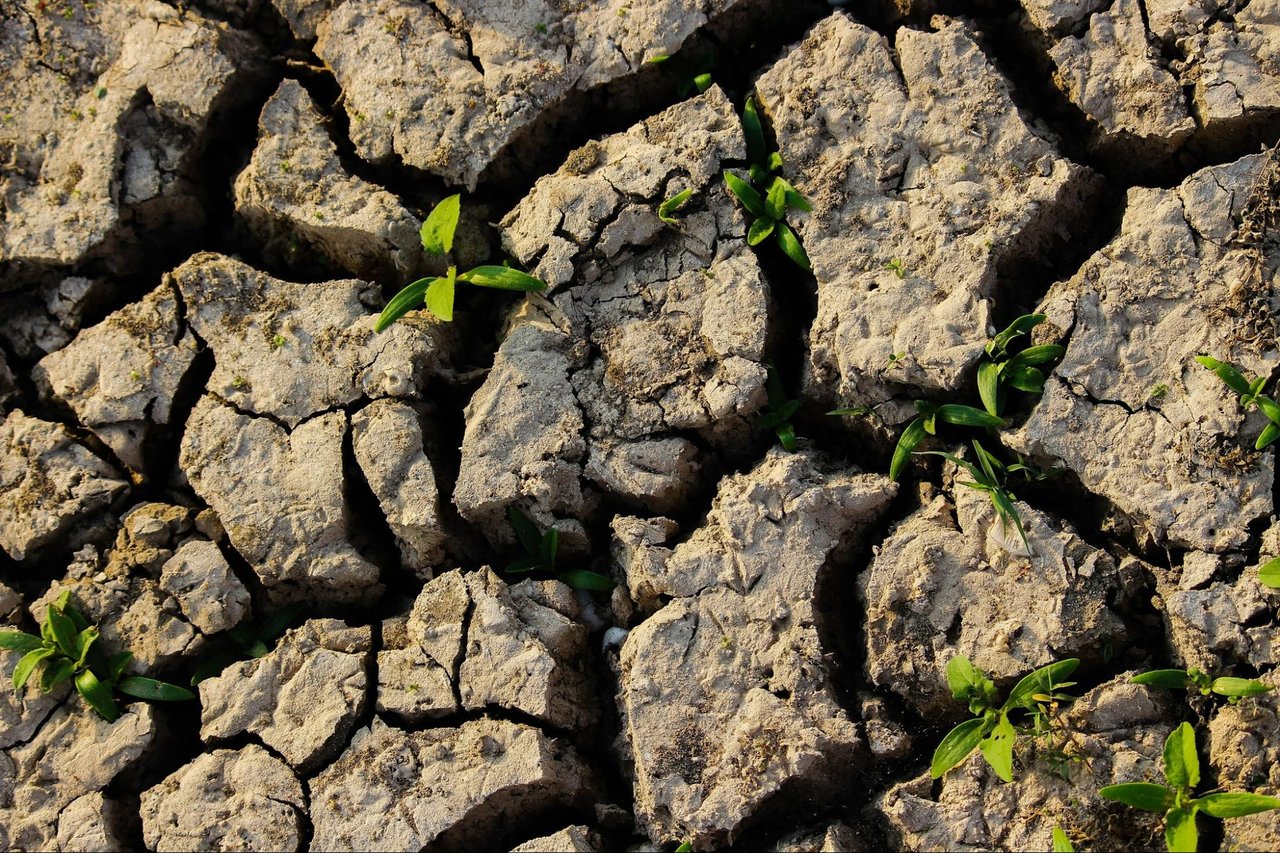
The ground beneath Los Gatos homes is not uniform, and that variability has a direct effect on how foundations behave over time. Much of the area sits on expansive clay soils that absorb water during the rainy season and shrink back as the ground dries out in summer. This constant cycle of expansion and contraction puts lateral and vertical pressure on your foundation in ways that accumulate year after year.
Homes built on hillside lots face additional complexity. Slope drainage, fill soil from original grading, and the potential for soil creep over steep terrain all introduce variables that flat-lot homes don't contend with in the same way. If your home was built into the hills, it is worth knowing whether the original grading used compacted fill and whether any slope stabilization measures were in place.
The underlying bedrock in parts of Los Gatos provides a more stable base, but it is often the transition zones, where one soil type meets another beneath a slab or crawl space, that create the most unpredictable behavior. A licensed geotechnical engineer can assess your specific lot if you have concerns about what's beneath your home.
Signs That Soil Conditions May Be Affecting Your Foundation
- Doors and windows that stick or no longer close flush with the frame.
- Diagonal cracks running from the corners of door frames or window openings.
- Visible gaps between walls and ceilings or floors that weren't there before.
- Uneven or sloping floors, which are particularly noticeable in older crawl space homes.
- Exterior stair-step cracking along brick or mortar lines.
Managing Drainage Around Your Home
Water is the most common driver of foundation damage in the Los Gatos area, particularly during the wet season when hillside properties see concentrated runoff and flat lots can experience standing water near the foundation perimeter. Proper drainage management is not a one-time project; it requires seasonal attention to keep water moving away from your home consistently.
Start with your gutters and downspouts. Clogged gutters overflow and direct water directly against the foundation, saturating the soil and increasing hydrostatic pressure on your crawl space walls or slab edges. Gutters should be cleaned, at a minimum, twice a year, with a check after any significant storm. Downspout extensions that direct water at least four to six feet away from the house are a simple and inexpensive line of defense.
The slope of your yard also matters. The grade around your home should direct water away from the foundation rather than toward it. If you notice water pooling near the house after rain, regrading or adding a French drain system may be the right solution. For hillside properties especially, retaining walls and surface drainage channels should be inspected annually to confirm they are functioning as intended.
Drainage Maintenance Tasks To Do Every Year
- Clean gutters and inspect downspouts each fall before the rainy season begins.
- Check that downspout extensions are intact and directing water well away from the foundation perimeter.
- Walk the perimeter of your home after a heavy rain and note any areas where water pools or drains toward the house.
- Inspect any retaining walls for signs of bowing, leaning, or cracking that could indicate soil pressure buildup.
- Verify that window well covers are in place and that crawl space vents are not obstructed by soil or debris.
Routine Inspection and Seasonal Maintenance
The most cost-effective foundation maintenance strategy is consistent, seasonal inspection. Many homeowners wait until something feels wrong to investigate, but by then, a minor issue may have progressed to an extensive one. Building a habit of checking your home twice a year, once in the fall before the rains and once in late spring after the soil has had a chance to dry, helps you catch problems early.
Walk the exterior of your home and look at the visible foundation closely. Concrete and masonry foundations will show some hairline cracking over time, which is generally not a cause for alarm. What you are watching for are cracks wider than a quarter inch, horizontal cracks, or any place where the foundation appears to be shifting or separating. Take photos and date them so you can track whether cracks are growing.
What To Check During a Foundation Inspection
- Exterior foundation walls for cracking, bowing, or displacement.
- Interior walls and ceilings for new cracks, particularly diagonal ones near corners.
- Floors for new unevenness or soft spots that weren't previously noticeable.
- The condition of any foundation vents or access panels.
FAQs
How Do I Know if My Foundation Is in Good Condition?
A healthy foundation will show minimal cracking, no horizontal displacement, and doors and windows throughout the home that open and close smoothly. If you notice new cracks, sticking doors, or uneven floors, it is worth having a licensed structural engineer assess the situation. Scheduling a professional inspection every few years is a good baseline practice even when nothing appears visibly wrong.
How Often Should I Have My Foundation Professionally Inspected?
For most Los Gatos homeowners, a professional inspection every three to five years is a reasonable baseline, though homes on hillside lots or those showing any warning signs should be inspected more frequently. After a significant seismic event, even one that didn't feel severe at your location, a visual check is always a good idea.
What Is the Most Expensive Foundation Problem To Fix?
Extensive soil movement causing widespread foundation settlement or a cripple wall collapse following seismic activity tends to generate the highest repair costs. Early intervention, when problems are still minor, is always far less costly than addressing advanced structural damage.
Your Foundation Deserves the Same Attention as the Rest of Your Home
A well-maintained foundation protects everything built on top of it, and in Los Gatos, staying ahead of soil movement, drainage challenges, and seismic risk is part of responsible homeownership. The time and attention you invest in routine inspections and upkeep will pay off compared to the cost of addressing major structural problems after the fact.
If you are thinking about buying or selling a home in Los Gatos, I am here to help. Reach out to me, Mark Vantress, and let's talk through what to look for and how to move forward with confidence.