By Mark Vantress
You’ve found a home in Los Gatos that excites you, and now, you want to make sure it’s truly the right fit. If you’re like most buyers, the inspection process can feel both reassuring and a little nerve-wracking. Will your investment stand up to your expectations? Could there be hidden issues you might miss without a trained eye?
The truth is, the home inspection is one of the most valuable tools you have as a buyer. It gives you leverage, clarity, and the knowledge you need to move forward with confidence.
Whether this is your first Los Gatos home or your fifth, understanding the inspection process will put you ahead of the curve. In this guide, you’ll discover exactly what to expect, how to prepare, and how to use every insight to your advantage.
Key Takeaways
- Discover what inspectors evaluate during a detailed home inspection.
- Learn how to prepare for inspection day and make sense of your report.
- See how the inspection results can boost your negotiation power.
Why the Home Inspection Is a Game-Changer
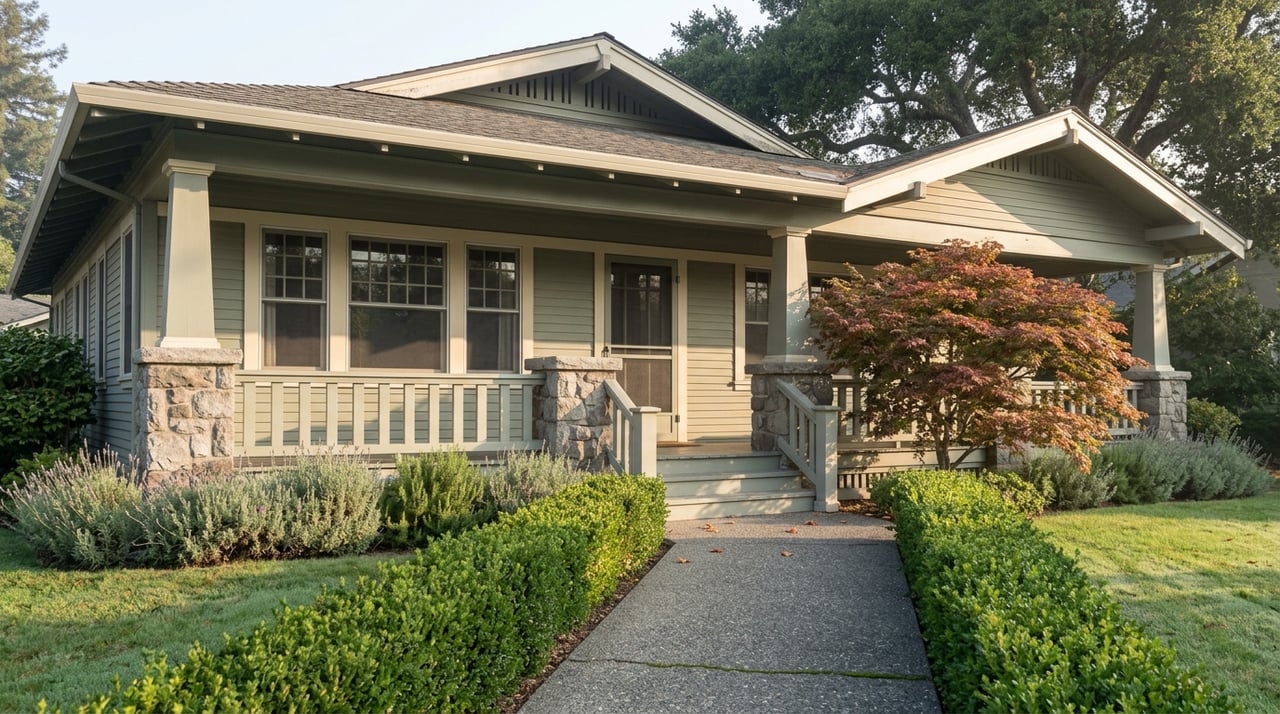
A home inspection isn’t just a checkbox on your to-do list. It’s your chance to truly understand the property before you commit. In a market like Los Gatos, where homes range from charming bungalows to modern estates, every detail matters. You want to know that your investment is solid, and that’s exactly what a professional inspection provides.
Think of the inspector as an investigator, searching for issues that may not show up during a quick walk-through. After all, even well-maintained homes can have hidden quirks or repair concerns. The inspection process lays everything out, giving you the knowledge to negotiate repairs, plan for future updates or renovations, or simply buy the property with greater peace of mind.
More than that, this step can save you time, money, and frustration. If big-ticket repairs are needed, you can address them before closing. With a clear, unbiased report, you get to make informed decisions about one of your most significant investments.
Think of the inspector as an investigator, searching for issues that may not show up during a quick walk-through. After all, even well-maintained homes can have hidden quirks or repair concerns. The inspection process lays everything out, giving you the knowledge to negotiate repairs, plan for future updates or renovations, or simply buy the property with greater peace of mind.
More than that, this step can save you time, money, and frustration. If big-ticket repairs are needed, you can address them before closing. With a clear, unbiased report, you get to make informed decisions about one of your most significant investments.
Why Inspections Matter
- Inspectors catch issues that might otherwise go unnoticed.
- Inspection reports provide leverage for negotiation and planning.
- The process highlights urgent repairs versus long-term maintenance.
- Buyers get an in-depth look at a home’s true condition, not just surface impressions.
- You can move forward with confidence, knowing you have the facts.
When to Schedule Your Home Inspection for Maximum Advantage
Timing can make all the difference in a fast-paced Los Gatos real estate market. The moment your offer is accepted, it’s time to get your inspection on the calendar. Most contracts include a window—often five to ten days—for you to complete the inspection and respond to any findings.
The sooner you schedule, the more time you have to read your report, discuss the next steps, and make strategic decisions. A well-timed inspection can keep your purchase on track and give you extra negotiating room if something unexpected arises.
Plan to attend in person if you can. Seeing the process up close gives you an opportunity to ask questions, point out any concerns you spotted during your walk-through, and get direct explanations from your inspector about property maintenance. Bring a notepad or use your phone to jot down any points you want to discuss later.
The sooner you schedule, the more time you have to read your report, discuss the next steps, and make strategic decisions. A well-timed inspection can keep your purchase on track and give you extra negotiating room if something unexpected arises.
Plan to attend in person if you can. Seeing the process up close gives you an opportunity to ask questions, point out any concerns you spotted during your walk-through, and get direct explanations from your inspector about property maintenance. Bring a notepad or use your phone to jot down any points you want to discuss later.
Tips for Inspection Timing
- Book your inspection as soon as your offer is accepted.
- Try to be present on inspection day for a firsthand look at the property.
- Give yourself plenty of time to review and respond to the report.
- Consider booking specialty inspections early if you have concerns about pests or unique features.
What Does a Home Inspection Cover?
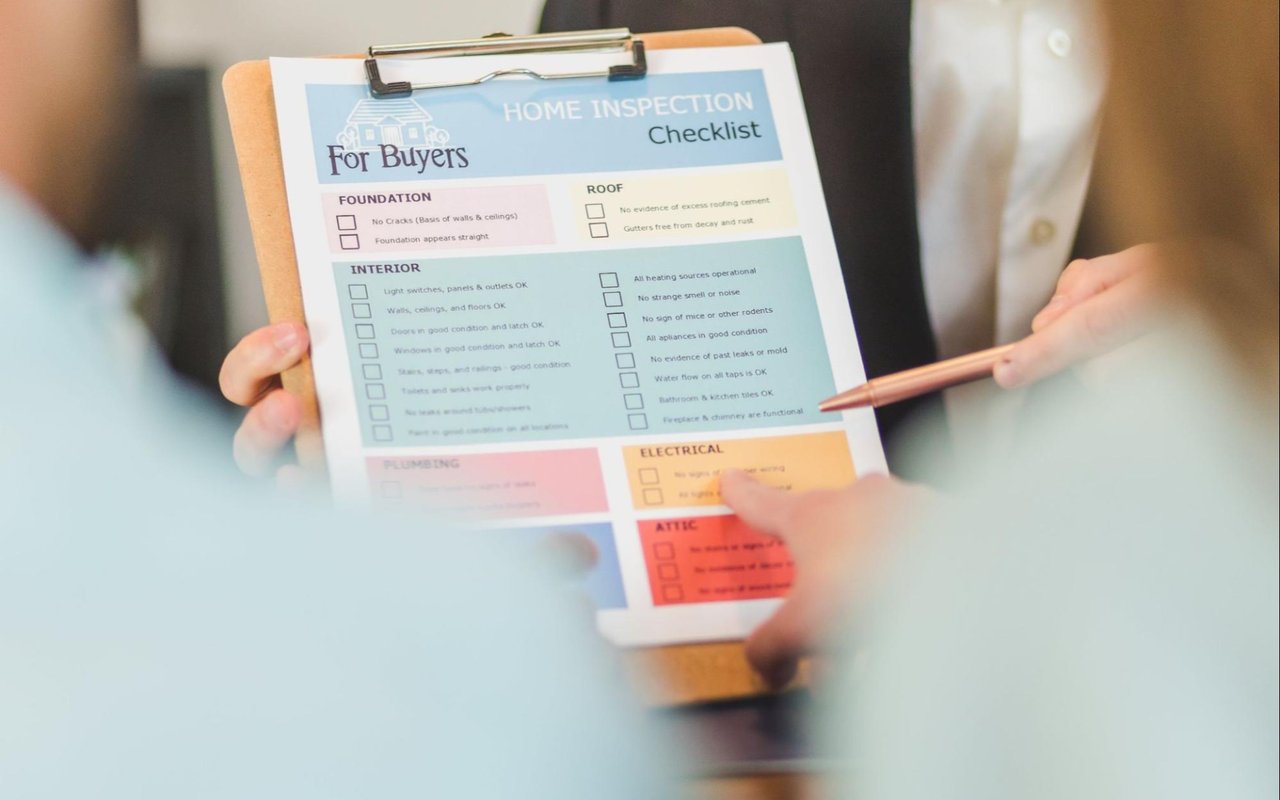
Your inspector’s checklist will typically include the roof, foundation, plumbing, electrical, heating and cooling, insulation, walls, doors, windows, and built-in appliances.
You’ll receive a detailed report, complete with photos and diagrams. This document highlights what’s in great shape, what likely needs attention soon, and what should be fixed right away. If something needs a specialist’s eyes—such as complex electrical work, pool systems, or advanced HVAC—the report will flag that for you as well.
Keep in mind: a general inspection focuses on what’s visible and accessible. Inspectors don’t cut open the walls or test areas blocked by furniture. For peace of mind about features like spas, wells, or solar panels, ask about add-on specialty inspections.
You’ll receive a detailed report, complete with photos and diagrams. This document highlights what’s in great shape, what likely needs attention soon, and what should be fixed right away. If something needs a specialist’s eyes—such as complex electrical work, pool systems, or advanced HVAC—the report will flag that for you as well.
Keep in mind: a general inspection focuses on what’s visible and accessible. Inspectors don’t cut open the walls or test areas blocked by furniture. For peace of mind about features like spas, wells, or solar panels, ask about add-on specialty inspections.
What’s Included in a Typical Inspection
- Structural components: foundation, framing, roof, and exterior
- Plumbing systems: visible pipes, fixtures, and water heaters
- Electrical: panels, outlets, visible wiring, and safety features
- HVAC: heating and cooling units, ductwork, thermostat function
- Interior spaces: walls, ceilings, floors, windows, and doors
- Insulation: signs of moisture and proper ventilation
- Garage and attached structures: automatic doors, framing, visible issues
- Built-in kitchen appliances: functionality and general condition
Negotiating Repairs, Credits, or Price Adjustments
With the inspection report in hand, you have powerful leverage to negotiate. Maybe you’ll ask the seller to address specific repairs, provide a credit at closing, or adjust the purchase price. We will craft a focused request that reflects the true condition of the property.
Keep your requests strategic. Focus on big-ticket repairs, health and safety items, or anything that could impact your enjoyment of the home. Small, cosmetic issues can often be addressed later. Your negotiation isn’t just about saving money; it’s about ensuring you get a fair deal for your investment.
In some cases, negotiations lead to win-win solutions. Sellers may prefer to credit you at closing rather than schedule repairs themselves. Either way, you’ll move forward knowing you’re making smart, informed choices.
Keep your requests strategic. Focus on big-ticket repairs, health and safety items, or anything that could impact your enjoyment of the home. Small, cosmetic issues can often be addressed later. Your negotiation isn’t just about saving money; it’s about ensuring you get a fair deal for your investment.
In some cases, negotiations lead to win-win solutions. Sellers may prefer to credit you at closing rather than schedule repairs themselves. Either way, you’ll move forward knowing you’re making smart, informed choices.
Negotiation Playbook
- Request repairs for major defects or safety issues.
- Ask for a credit to cover repair costs and handle them after closing.
- Use the report to support a price adjustment if needed.
- Prioritize essential items over cosmetic fixes.
- Stay open to solutions that keep your deal on track.
FAQs
What Should I Expect During a Home Inspection?
A professional inspector will evaluate all major systems and visible features, spending two to four hours on site. You’ll receive a detailed written report, complete with photos and explanations, so you know exactly what you’re buying.
Can I Attend the Inspection?
Yes, in most cases. You can walk through the property with your inspector, ask questions, and see findings in real time.
What If the Inspection Finds Problems?
You’ll have the chance to negotiate repairs, request credits, or even withdraw your offer, depending on the severity of the issues.
Ready to Take the Next Step?
A home inspection is more than a formality—it’s your chance to move forward with certainty, clarity, and peace of mind.
Let’s make your next move your best move. If you’re ready for expert guidance and powerful advocacy in your Los Gatos real estate journey, work with me, Mark Vantress. I’ll be with you every step of the way.
Let’s make your next move your best move. If you’re ready for expert guidance and powerful advocacy in your Los Gatos real estate journey, work with me, Mark Vantress. I’ll be with you every step of the way.